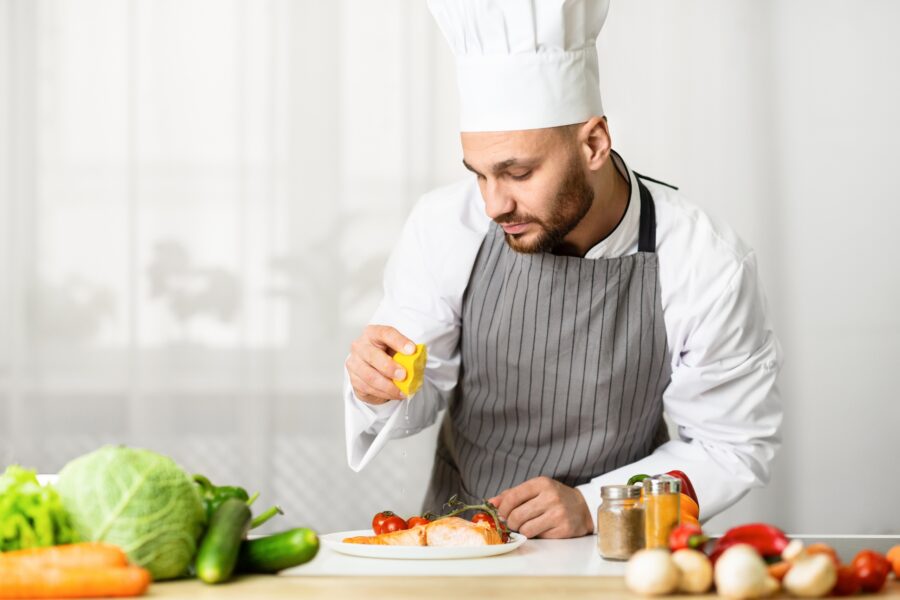
Food safety is an essential part of maintaining good health and preventing foodborne illnesses. One of the most common causes of food contamination in kitchens is cross-contamination, which occurs when harmful bacteria or microorganisms are transferred from one food item to another. This often happens when raw foods, particularly meat, poultry, or seafood, come into contact with ready-to-eat foods such as fruits, vegetables, or cooked meals.
Cross-contamination can occur through various sources, including kitchen utensils, cutting boards, hands, and even improperly cleaned surfaces. Without proper precautions, bacteria can spread quickly and increase the risk of food poisoning.
Understanding how to prevent cross-contamination during food preparation is crucial for both home cooks and professional food handlers. By practicing safe kitchen habits and maintaining proper hygiene, individuals can reduce the risk of contamination and ensure that meals remain safe and healthy for everyone who consumes them.
Understanding What Cross-Contamination Is
Cross-contamination occurs when bacteria or harmful microorganisms transfer from one food source to another, especially when raw and cooked foods are handled improperly. This process can introduce pathogens such as Salmonella, E. coli, and Listeria into foods that are otherwise safe to eat.
One of the most common ways cross-contamination happens is when raw meat juices come into contact with fresh produce or cooked foods. Because these foods are often consumed without additional cooking, harmful bacteria can easily enter the body.
Kitchen tools such as knives, cutting boards, and countertops can also become sources of contamination if they are not cleaned properly between uses.
Practicing safe food handling and preparation methods is essential for reducing these risks and maintaining proper kitchen hygiene.
Using Separate Cutting Boards and Utensils
One of the simplest ways to prevent cross-contamination is by using separate cutting boards and utensils for different types of food. Raw meats should always be prepared using a dedicated cutting board that is not used for fruits, vegetables, or cooked items.
Many kitchens use color-coded cutting boards to distinguish between food categories. For example, red boards are often used for raw meat, while green boards are used for vegetables.
Knives and utensils should also be washed thoroughly with hot water and soap before being used on other food items. This cleaning process helps remove any bacteria that may have transferred during previous preparation steps.
Maintaining proper separation between food types significantly reduces the risk of contamination.
Washing Hands and Kitchen Surfaces
Proper handwashing is one of the most effective ways to prevent the spread of bacteria in the kitchen. Food handlers should wash their hands with soap and warm water before and after handling raw ingredients.
Hands should also be washed after touching surfaces such as garbage bins, raw meat packaging, or cleaning cloths. This practice helps prevent bacteria from transferring to other foods or kitchen tools.
In addition to handwashing, kitchen surfaces such as countertops, cutting boards, and sinks should be cleaned regularly. Using disinfectant cleaning solutions helps eliminate harmful bacteria.
Keeping surfaces clean plays an important role in preventing contamination during food preparation.
Proper Storage of Raw and Cooked Foods
Food storage practices also influence the risk of cross-contamination. Raw foods, especially meats and seafood, should always be stored separately from cooked or ready-to-eat foods.
In refrigerators, raw meats should be placed on the lowest shelves to prevent juices from dripping onto other foods. Storing these items in sealed containers can further reduce the risk of contamination.
Cooked foods should be stored in clean containers and properly covered to protect them from exposure to bacteria.
Organized storage helps ensure that raw and cooked foods remain safely separated.
Cooking Food at Safe Temperatures
Cooking food thoroughly is another important step in preventing foodborne illnesses. Proper cooking temperatures kill many harmful bacteria that may be present in raw ingredients.
Meats, poultry, and seafood should always be cooked to recommended internal temperatures to ensure safety. Using a food thermometer can help confirm that food has reached the appropriate temperature.
Even when cooking food properly, preventing cross-contamination before cooking remains important because bacteria may spread to other foods that are not cooked.
Following proper preparation techniques helps create a safer kitchen environment.
Creating a Hygienic Kitchen Environment
Maintaining a clean kitchen environment is essential for preventing cross-contamination. Regular cleaning of utensils, surfaces, and storage areas helps reduce the presence of harmful microorganisms.
Kitchen cloths, sponges, and towels should also be cleaned or replaced frequently because they can harbor bacteria when used repeatedly without washing.
Organizing kitchen spaces and keeping food preparation areas tidy helps prevent accidental mixing of raw and cooked ingredients.
These practices support maintaining a healthy and hygienic kitchen, ensuring that food preparation remains safe and efficient for everyone.
Conclusion
Preventing cross-contamination during food preparation is one of the most important aspects of maintaining food safety in any kitchen. Harmful bacteria can easily spread when raw and cooked foods come into contact through utensils, surfaces, or improper storage. By understanding how contamination occurs and adopting safe preparation practices, individuals can significantly reduce the risk of foodborne illnesses.
Simple actions such as washing hands regularly, using separate cutting boards, cleaning kitchen surfaces, and storing raw foods properly can make a major difference in protecting food safety. Cooking foods at the correct temperatures further ensures that harmful bacteria are eliminated before meals are served. Maintaining a clean and organized kitchen environment also plays an essential role in reducing contamination risks. Whether preparing meals at home or in professional kitchens, following proper food handling guidelines helps ensure that every meal is both safe and enjoyable. Consistent attention to hygiene and careful food preparation ultimately supports healthier eating habits and safer dining experiences.