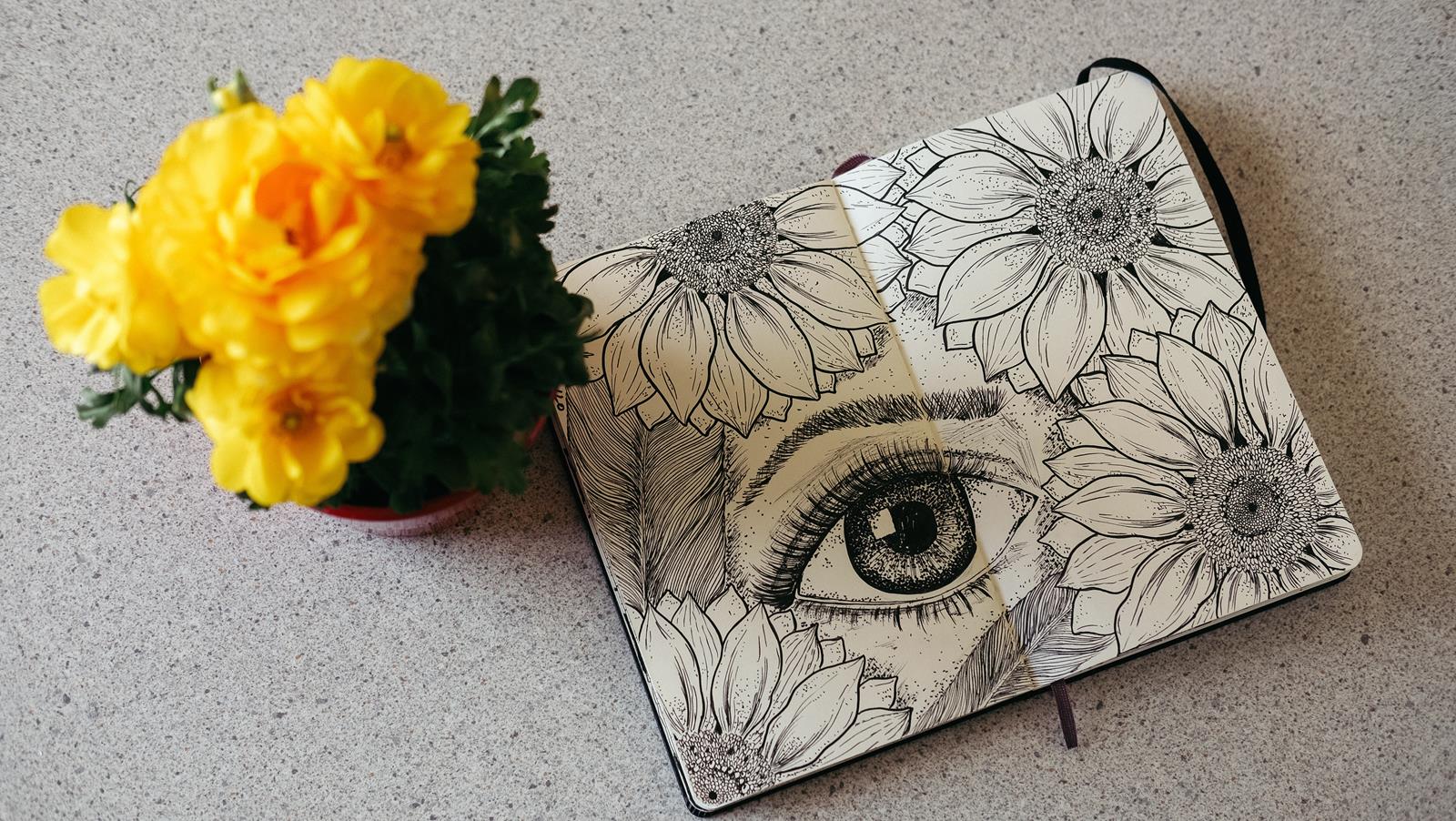
Hobbies are often considered beneficial activities that help people relax, explore their interests, and improve their overall well-being. Many individuals rely on hobbies to reduce stress, develop skills, and bring enjoyment into their daily routines. Whether it is painting, playing video games, exercising, or collecting items, hobbies can provide a healthy escape from work and responsibilities.
However, some people wonder whether hobbies can sometimes become addictive. While hobbies are generally positive, spending excessive time on a single activity may begin to interfere with other important aspects of life. When an enjoyable activity starts affecting work performance, relationships, or personal health, it may move beyond a simple hobby.
Understanding the difference between a healthy passion and an unhealthy attachment to an activity can help individuals maintain balance. Recognizing this distinction allows people to enjoy hobbies while still managing their responsibilities and personal well-being.
Why People Become Deeply Involved in Hobbies
Hobbies often become deeply engaging because they provide enjoyment, creativity, and a sense of accomplishment. When people participate in activities they enjoy, the brain releases chemicals associated with happiness and satisfaction.
For example, completing a challenging puzzle, mastering a musical instrument, or achieving progress in a sport can create strong feelings of reward. These experiences encourage individuals to continue participating in the activity.
Many hobbies also offer opportunities for learning and personal development. As individuals improve their skills, they feel motivated to invest more time in their interests.
Maintaining healthy balance in personal hobbies ensures that enjoyment remains positive rather than overwhelming.
When a Hobby Becomes Excessive
Although hobbies are usually healthy, they can become problematic when they consume too much time or energy. When individuals begin neglecting work responsibilities, social relationships, or health due to a hobby, the activity may be becoming excessive.
For instance, someone who spends long hours gaming or engaging in a particular activity may struggle to maintain productivity or sleep schedules. Over time, this imbalance may affect physical health or emotional well-being.
Excessive hobby involvement can also lead to isolation if individuals withdraw from family or social interactions.
Recognizing early warning signs helps individuals prevent hobbies from becoming unhealthy habits.
The Difference Between Passion and Addiction
There is an important distinction between being passionate about a hobby and being addicted to it. Passion usually involves enthusiasm and dedication while still allowing room for balance in other areas of life.
People with healthy passions enjoy their hobbies while maintaining work, relationships, and responsibilities. They can take breaks from the activity without experiencing distress.
Addiction, on the other hand, may involve compulsive behavior where individuals feel unable to stop engaging in the activity despite negative consequences.
Understanding this difference helps people evaluate whether their hobbies remain enjoyable or have begun to interfere with other aspects of life.
Benefits of Balanced Hobby Participation
When practiced in moderation, hobbies provide numerous benefits. They can reduce stress, improve creativity, and strengthen mental focus.
Engaging in hobbies also helps individuals build confidence by developing new skills and talents. Creative hobbies, sports, and learning-based activities can all contribute to personal growth.
Social hobbies such as team sports, clubs, or community groups can strengthen relationships and encourage teamwork.
Balanced participation allows hobbies to remain positive influences that support overall well-being.
Maintaining Healthy Hobby Habits
Maintaining balance is key to ensuring hobbies remain healthy parts of life. One helpful strategy is setting time limits for hobby activities while prioritizing work and personal responsibilities.
Individuals may also benefit from participating in multiple hobbies instead of focusing entirely on one activity. This approach prevents over-dependence on a single source of entertainment.
Creating daily routines that include work, rest, social interaction, and hobbies helps maintain balance.
These practices contribute to developing positive lifestyle habits, allowing individuals to enjoy hobbies while maintaining overall well-being.
Conclusion
Hobbies are valuable activities that enrich life by providing enjoyment, relaxation, and opportunities for personal growth. When pursued with balance and moderation, hobbies can improve mental well-being, encourage creativity, and help individuals build new skills. However, like many enjoyable activities, hobbies can sometimes become excessive if they begin to interfere with important responsibilities or relationships.
Understanding the difference between passion and addiction is essential for maintaining a healthy relationship with hobbies. Individuals who remain mindful of their time and priorities can continue enjoying their interests without allowing them to disrupt other aspects of life. Establishing clear routines, maintaining social connections, and practicing moderation can help keep hobbies positive and beneficial. Ultimately, hobbies should enhance life rather than dominate it. By approaching them with awareness and balance, individuals can enjoy their favorite activities while still maintaining a healthy and fulfilling lifestyle that supports both personal happiness and long-term well-being.